The Mental Health Benefits of Movement, Even on Your Hardest Days
The Mental Health Benefits of Movement, Even on Your Hardest Days
We all have those days.
The kind where everything feels heavy and the only thing that sounds remotely appealing is staying in bed, scrolling TikTok, canceling plans, and emotionally disappearing for a little while.
Honestly? Sometimes that urge makes sense. When you’re overwhelmed, anxious, emotionally depleted, or just having a hard day, your system often wants to pull inward.
But here’s the thing: while isolating can feel protective in the moment, it can sometimes leave you feeling even more stuck, disconnected, and dysregulated afterward.
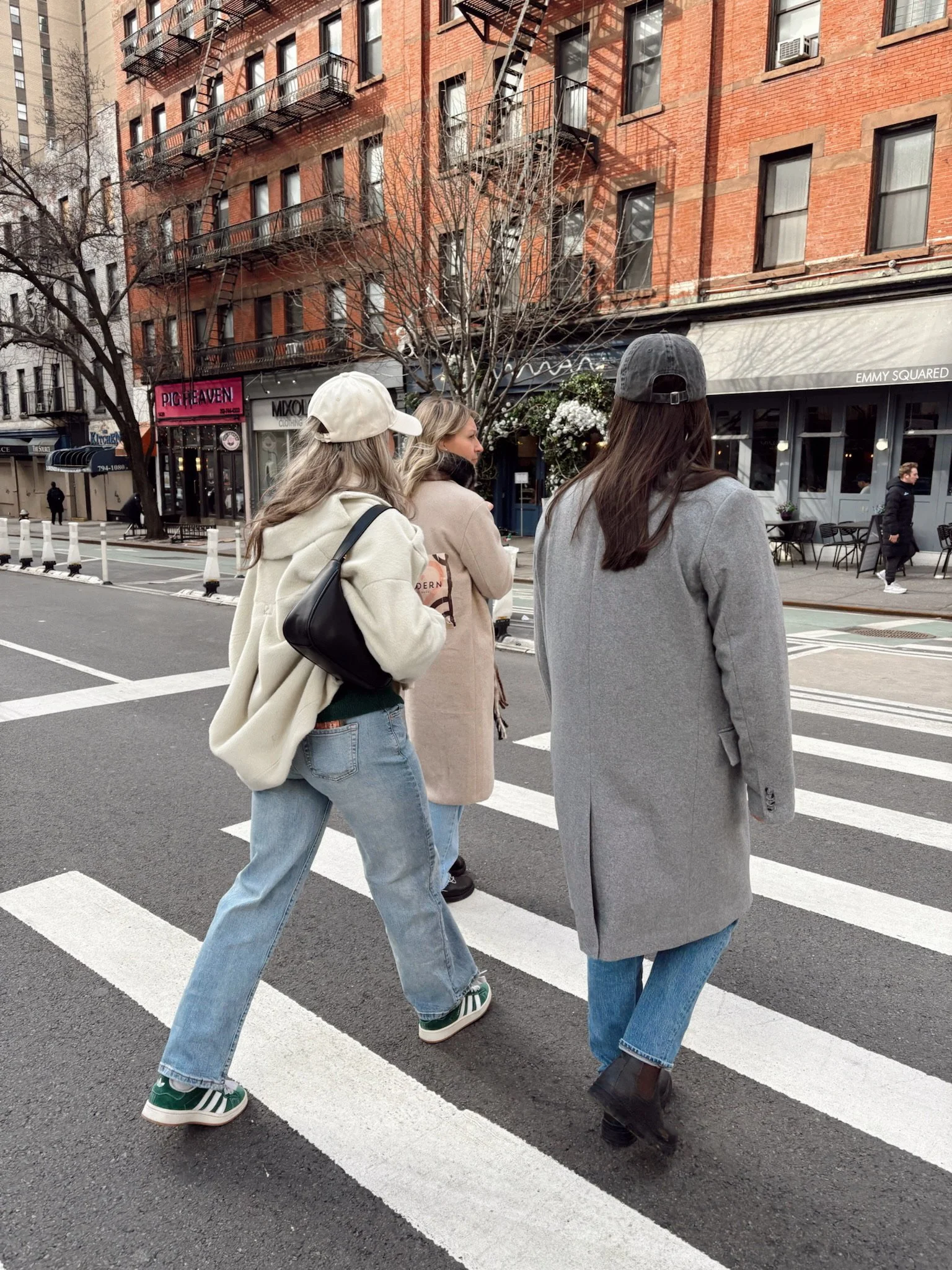
That’s why I loved being featured in Bustle talking about the trend everyone is joking about right now: the “stupid little walk.”
Because as silly as it sounds, this tiny act of movement can be one of the most powerful forms of self-care.
Sometimes self-care is not a bath, a face mask, or a perfectly curated wellness routine.
Sometimes self-care is simply moving your body enough to help your mind catch up.
Why Movement Is Such Powerful Self-Care
Self-care gets talked about as something aesthetic.
But clinically, real self-care is anything that helps regulate your nervous system, reconnect you to yourself, and support emotional functioning.
Movement does exactly that.
And walking, in particular, is one of the most accessible ways to create a shift.
6
1. Movement Helps Regulate Stress + Boost Mood
Walking helps release feel-good neurochemicals like endorphins, serotonin, and dopamine, which can support mood regulation and help calm the body’s stress response.
This is especially helpful when you’re feeling:
anxious
emotionally flooded
irritated
sad
mentally burnt out
stuck in overthinking
Even a five to ten minute walk can create enough physiological change to help you feel more grounded.
Sometimes the goal is not to feel amazing.
Sometimes the goal is simply to feel 5% less activated.
That matters.
2. Walking Supports Emotional Processing
One of my favorite things to share with clients is that walking is not just movement, it is also a form of bilateral stimulation. This means it engages both sides of the brain through the natural left-right rhythm of your steps. Fun fact: this is the same core principle used in EMDR, a trauma therapy that we use at GPC that uses bilateral stimulation to help process difficult experiences and emotions.
Because you’re alternating left and right leg movement, both sides of the brain are being engaged.
This can support emotional processing in a way that often feels less intense than sitting still and trying to “think your way out” of a feeling.
This is part of why so many people notice that halfway through a walk, things start to click.
You might begin the walk feeling:
angry
hurt
spiraling
shut down
…and come back with more clarity.
The feeling may still be there, but it often feels less sharp.
Less consuming.
More workable.
As someone who integrates EMDR and nervous-system-based work, I often think of movement as one of the most natural ways to help emotions move through instead of staying stuck.
3. Nature Can Help You Come Back to the Present
If you can walk somewhere with trees, sunlight, fresh air, or even just a quieter block, there is an added layer of regulation.
Nature gently pulls your attention outward.
Instead of staying trapped in the thought spiral, your senses begin to engage.
Can you hear birds?
Feel the warmth of the sun on your skin?
Notice the breeze?
See the color of the sky changing?
This is mindfulness in a way that often feels less forced.
For clients who hate traditional meditation, walking mindfulness can be a much more approachable reset.
A simple prompt I often love:
Pick one color and notice everywhere it shows up on your walk.
It helps anchor attention back into the present moment.
4. A Change of Scenery Creates a Mental Reset
Sometimes it’s not even the walk itself.
Sometimes it’s simply leaving the space where the feeling started.
A different environment can interrupt a mental loop.
Your bedroom, your couch, your desk — these spaces can begin to hold emotional energy.
Changing scenery can help create psychological distance from whatever is spiraling.
Sometimes the brain needs movement.
Sometimes it just needs new visual input.
A fresh block.
A different street.
A coffee shop walk.
A loop around the neighborhood.
It can be enough to shift perspective.
The Real Takeaway
The “stupid little walk” is actually incredibly smart.
It’s one of the simplest, most evidence-supported ways to practice self-care through movement.
And no, it does not need to be aesthetic.
It does not need to be 10,000 steps.
It does not need to be a workout.
Sometimes it’s just five minutes around the block before you come back home and continue your cozy rot session.
That still counts.
In fact, I’d challenge you to notice the next time you want to isolate:
Can you take a five-minute walk first?
Then come back and check in with how you feel.
Even a small shift is meaningful.
Check out some additional resets here.
At Gluck Psychology Collective, we often help clients build practical nervous-system resets that actually fit into real life.
Sometimes healing really does start with a stupid little walk.
Thinking About Starting Therapy?
If you’re considering therapy, we’d love to support you.
Submit a contact form or email us at hello@gluckcollective.com to get started.Feel free to explore our services menu and specialties to see if we click.
AtGluck Psychology Collective, we offer in-person and virtual therapy across NYC for anxiety, burnout, relationships, life transitions, trauma, self-worth, and identity development.
It is our goal to make therapy as affordable and accessible as possible —we are in-network with Aetna and offer reduced rate therapy as well.
If you’re feeling stuck or overwhelmed, you don’t have to figure it out alone. Let’s talk about it.